
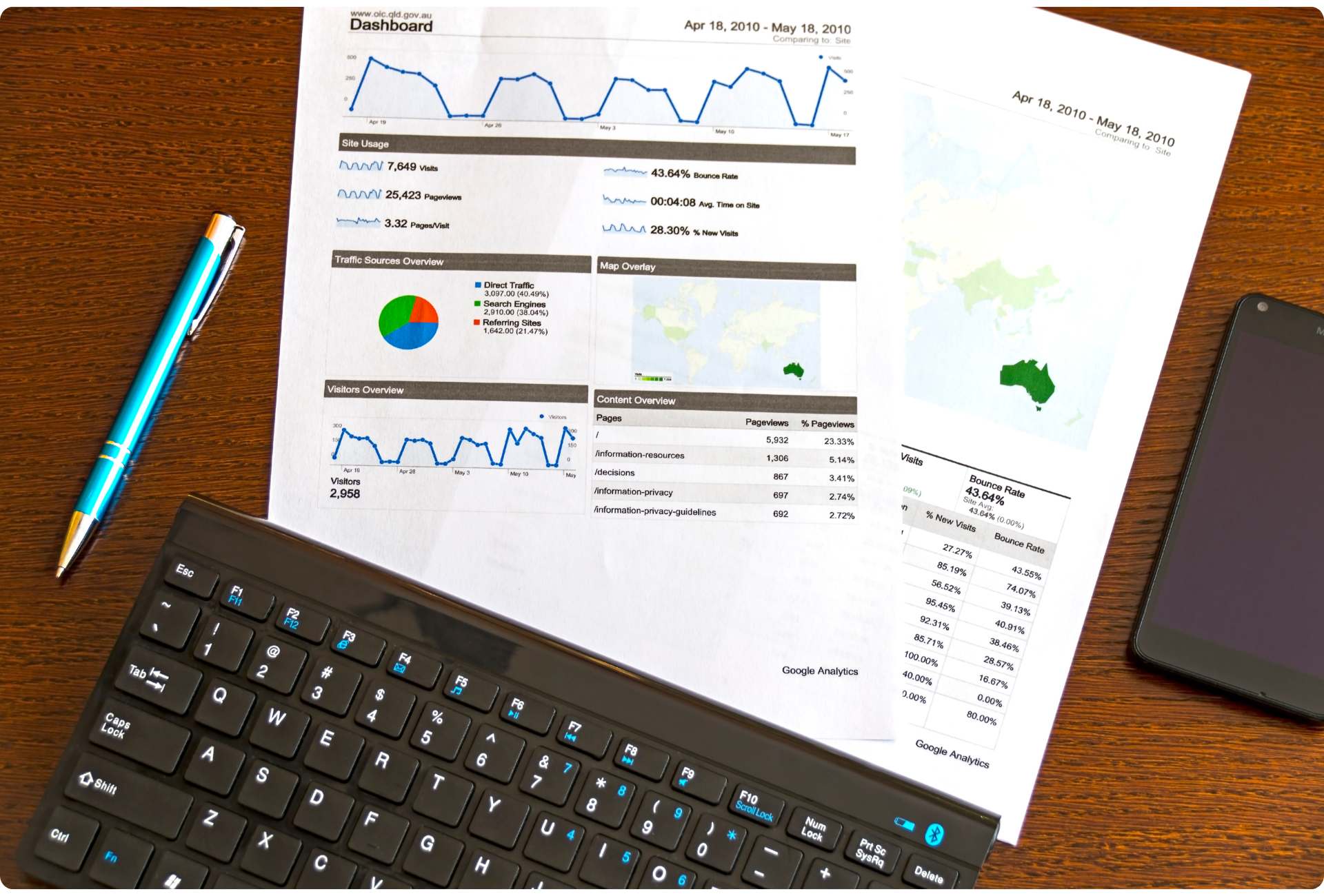
In today's data-driven world, organizations need a robust analytics strategy to remain competitive. This guide explores the key components of building an effective modern analytics platform.
Understanding Your Current State
Before implementing analytics solutions, assess your existing infrastructure:
- What data sources do you currently have?
- How is data currently being analyzed?
- What are the main pain points in your current process?
Core Components of Modern Analytics
1. Data Integration
Modern analytics starts with unified data sources. You need to integrate data from:
- Enterprise resource planning (ERP) systems
- Customer relationship management (CRM) platforms
- Financial management systems
- Operational databases
2. Real-Time Processing
Gone are the days of monthly reports. Modern enterprises need:
- Real-time data pipelines
- Automated data quality checks
- Live dashboards for decision-making
3. Advanced Analytics
Leverage machine learning and AI for:
- Predictive forecasting
- Anomaly detection
- Pattern recognition
- Scenario analysis
Implementation Roadmap
Phase 1: Assessment & Planning (Months 1-2)
- Audit current systems
- Define key metrics
- Identify quick wins
Phase 2: Foundation (Months 3-6)
- Build data warehouse
- Implement ETL processes
- Create initial dashboards
Phase 3: Advanced Analytics (Months 7-12)
- Deploy machine learning models
- Build predictive capabilities
- Optimize performance
Best Practices
- Start with business objectives - Not data available
- Invest in data quality - Garbage in, garbage out
- Build a strong data culture - Train your teams
- Iterate and improve - Analytics is a continuous journey
Conclusion
Building a modern analytics strategy requires careful planning, the right technology stack, and organizational buy-in. The rewards—better decisions, faster insights, and competitive advantage—are well worth the investment.
Ready to modernize your analytics?
Contact Us.png)
.png)
.png)